VR Marketing Campaigns: How to Move Beyond the Gimmick
In 2026, virtual and augmented reality have matured beyond flashy demos. The most effective VR and AR marketing campaigns now serve a clear business purpose: guiding customers toward a specific decision, whether that’s configuring a product, understanding a complex service, or committing to a trial. Rather than chasing novelty, smart brands treat immersive experiences as extensions of their sales funnel.
Success starts with mapping the experience directly to a customer decision point. For a furniture retailer, this might mean letting shoppers place virtual sofas in their living rooms and immediately book a delivery slot. For a B2B software company, it could involve a guided AR tour of a factory layout that ends with a downloadable proposal. The key is ensuring the immersive element doesn’t end in a dead end but flows into the next logical action.
Choosing the Right Format
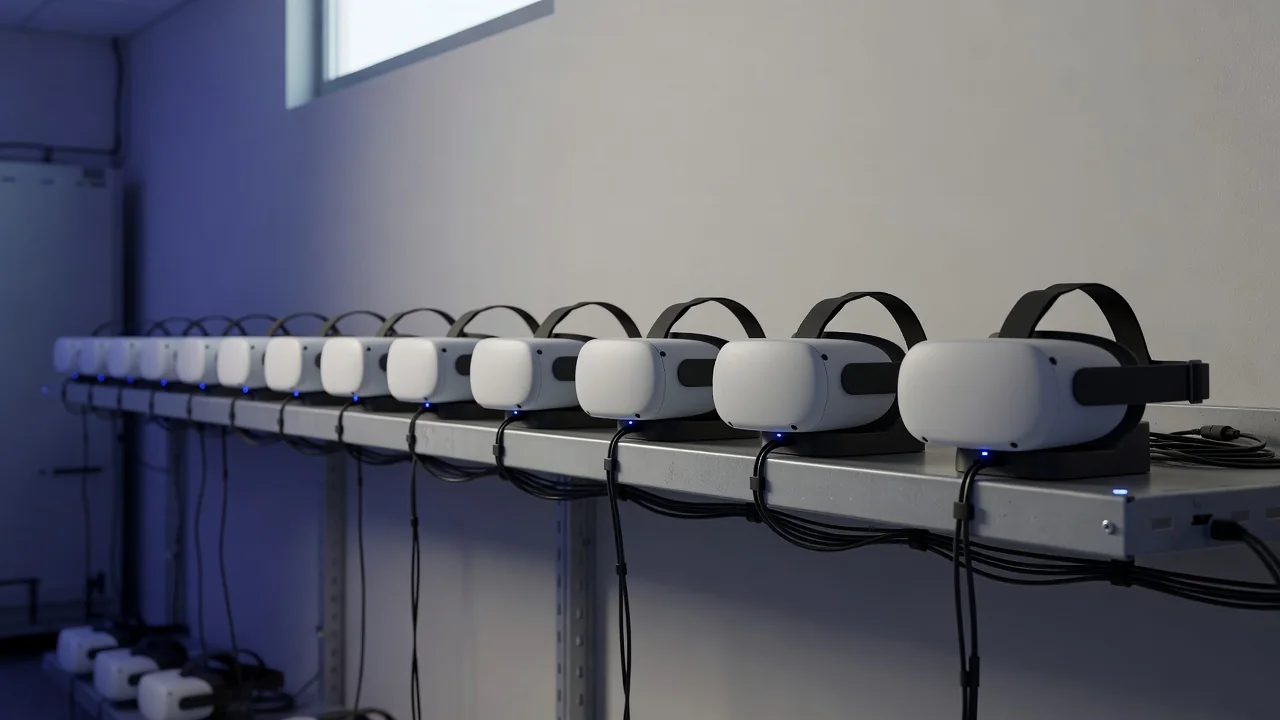
Three main delivery options dominate current campaigns: WebAR, in-store VR stations, and temporary event installations. WebAR requires no app download and works on standard smartphones, making it ideal for broad awareness. In-store VR offers higher immersion and staff assistance but limits reach to physical visitors. Event installations deliver memorable group experiences yet come with logistical complexity and shorter lifespan.
Each format carries different strengths in measurement. WebAR easily tracks time spent, interaction depth, and progression to checkout. In-store VR allows observation of hesitation points and immediate staff follow-up. Event installations excel at capturing qualified leads through on-site registration but require manual follow-up systems to connect the experience to later conversions.
Measuring What Matters
Footfall and social media likes no longer suffice as success metrics. Leading campaigns track lead quality, message recall through post-experience surveys, and conversion rates to the intended next step—be it a scheduled demo, added to cart, or email opt-in. Advanced setups integrate with CRM platforms so that a VR session ID links directly to a customer’s subsequent purchase journey. This data reveals whether the immersive element genuinely influences decisions or merely entertains.
Realistic Budget Planning
A typical 2026 campaign budget breaks down into four main areas. Creative development, including 3D modeling, interaction design, and user testing, often represents 40-50% of spend. Hardware and software licenses vary widely: WebAR needs almost none, while high-end VR installations can require significant headset investment. Staffing covers both technical support during deployment and content moderators for live events. Finally, measurement and analytics tools, including custom integration work, typically account for 15-20%.
Common failure modes include poor onboarding that leaves users confused within the first 30 seconds, experiences that feel disconnected from the brand’s core promise, and lack of follow-up mechanisms that turn one-time wonder into forgotten novelty. Another frequent pitfall is underestimating maintenance—3D assets and compatibility updates are ongoing costs, not one-time expenses.
| Format | Relative Cost | Reach | Measurability |
|---|---|---|---|
| WebAR | Low | High (device agnostic) | High (digital tracking) |
| In-store VR | Medium | Medium (location bound) | Medium-High (observed + digital) |
| Event Installation | High | Low-Medium (event only) | Medium (lead capture focused) |
Planning a lasting VR or AR campaign in 2026 means treating the technology as infrastructure rather than spectacle. By anchoring every decision to a concrete customer action, selecting the right delivery channel, building robust measurement systems, and budgeting for longevity instead of launch, marketers can create immersive experiences that deliver measurable business value long after the headsets come off.
- Define the exact customer decision the experience should influence before any creative work begins
- Design seamless transitions between the immersive moment and existing digital sales paths
- Build in repeated touchpoints rather than single encounters to reinforce learning and preference
- Allocate budget for post-launch iteration based on real user behavior data
The difference between gimmick and genuine marketing asset lies in integration. When VR or AR becomes part of how customers evaluate, decide, and remember, it stops being a sideshow and starts driving results that appear clearly in the balance sheet.